
7 Trauma-Informed Ways to Celebrate Easter with Your Foster Child
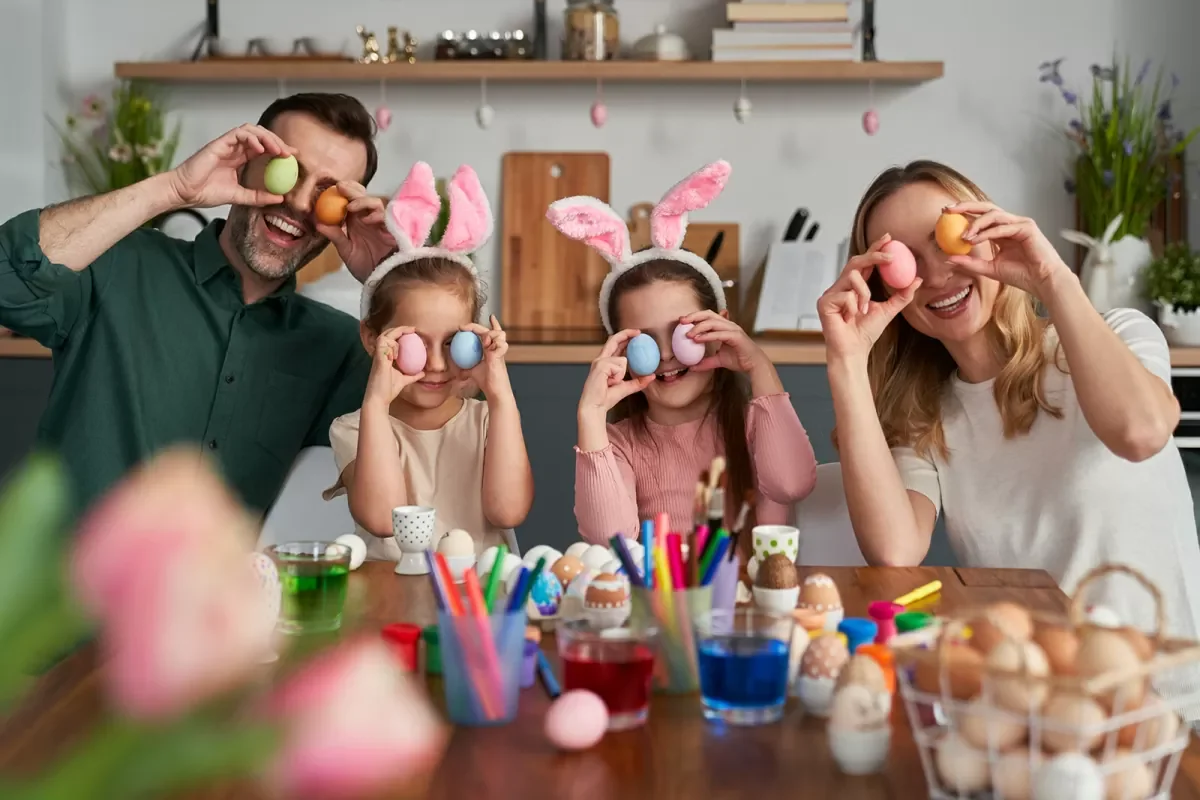
Easter is one of the most family-centered holidays of the year. Sweet treats, egg hunts, school breaks, and time spent with loved ones, it’s often filled with warmth and togetherness across many homes and communities. But for children in foster care, the Easter weekend can surface emotions that catch everyone off guard.
Holidays are powerful memory triggers. The smell of baked treats. A church service. A family gathering where everyone else seems to “belong.” For a child who has experienced trauma, disrupted attachments, or separation from siblings and birth family, these moments can quietly activate grief, anxiety, or behavioral responses that seem to come out of nowhere.
That doesn’t mean Easter can’t be wonderful, it absolutely can. It just means the most meaningful celebrations are the ones built with a child’s emotional world in mind.
Here are seven practical, trauma-informed ways to make this Easter safe, connected, and genuinely joyful for your foster child.
Holiday reunions are part of longer-term relationship building processes that extend beyond individual visits. Approach each reunion as an opportunity to strengthen family connections while building skills and experiences that support ongoing healthy relationships.
1. Prepare, Don't Surprise
Surprises are a staple of Easter. Surprise egg hunts, surprise visitors, surprise outings. But for children who've experienced unpredictability and chaos, surprises can feel threatening rather than exciting.
Try this:
Walk your child through what the weekend will look like. Use a simple visual schedule for younger children: "First we'll have breakfast, then we'll do the egg hunt in the backyard, then Nan is coming for lunch." Give them a sense of control. If plans change, name it early: "Hey, there's been a small change, here's what's happening instead."
Why this matters
Predictability is one of the most calming things you can offer a child whose early life was unpredictable. You're not taking the fun out of Easter, you're making it safe enough to enjoy.
2. Rethink the Egg Hunt
Competitive egg hunts can be fantastic for some kids and overwhelming for others. A child who has experienced scarcity or food insecurity may become distressed by the idea of missing out, or may hoard what they find.
Try this:
Consider a collaborative egg hunt instead. Give each child a colour or mark "Your eggs all have a blue sticker" so nobody misses out. Or make it a treasure-hunt adventure with clues that lead to one shared basket. Some families do a "reverse egg hunt" where children hide eggs for the adults. It takes the pressure off and turns it into play.
3. Create a Sensory-Safe Space
Easter gatherings often mean noise, crowds, new faces, and rich food - a sensory cocktail that can tip a dysregulated child over the edge. This isn't bad behaviour. It's a nervous system under pressure.
Try this:
Designate a quiet zone such as a bedroom or a corner with cushions, where your child can retreat without it being a punishment. Let them know before the event: "If it gets too much, you can go to the quiet spot anytime. I'll check in on you." Pack a regulation kit: headphones, a favourite toy, a fidget item, or a colouring book.
4. Hold Space for Big Feelings
Don't be surprised if your child is tearful, withdrawn, or agitated over Easter even if everything seems to be going well. Holidays can amplify a child's awareness of what they've lost. They may be thinking about a birth parent, a sibling, or a previous Easter that went badly.
Try this:
Name what you see without trying to fix it: "I notice you seem a bit flat today. That's okay. I'm here if you want to talk, and I'm here if you don't." Avoid phrases like "But we're having such a nice time!" which unintentionally tells a child their feelings are wrong.
Carer reflection
It's okay to feel disappointed when a child can't enjoy something you've worked hard to create. Your effort matters. Their response is not a measure of your care.Conclusion
Navigating birth family reunions during holiday seasons requires careful planning, emotional sensitivity, and professional support. By approaching these complex situations with preparation, flexibility, and focus on everyone's well-being, foster families can help create positive reunion experiences that support ongoing family relationships and children's emotional development.
Remember that successful holiday reunions are measured not by perfection but by progress, connection, and emotional safety for all involved. Each reunion provides learning opportunities and chances to strengthen relationships, even when challenges arise. With patience, support, and commitment to everyone's well-being, holiday reunions can become meaningful experiences that honor family connections while supporting children's continued growth and healing.
5. Build a New Tradition Together
One of the most powerful things you can do is invite your foster child to co-create a tradition. This gives them ownership and signals: "You belong here. Your preferences matter."
Try this:
Ask your child: "What's one thing you'd like us to do at Easter?" It might be decorating eggs, making a specific meal, watching a movie, or doing a craft. Whatever they choose, protect it. If you are a long term carer for your child, note it down and plan to do it again next year. Consistency is the tradition.
6. Be Thoughtful About Faith and Church
Church can be wonderful, but it can also be loud, unfamiliar, or connected to confusing past experiences. The Easter story itself, with its themes of suffering and separation, may resonate in ways a child can't articulate.
Try this:
Prepare your child for what an Easter church service involves. Sit near an exit. Bring quiet activities. Check in with the youth and children's ministry team if your child attends these. If your child isn't comfortable, don't force it, and don't treat it as a spiritual failing. You can share the meaning of Easter in simpler, gentler ways at home.
7. Manage Extended Family with Grace
Well-meaning relatives sometimes ask questions that put a foster child on the spot: "What are your birth parents doing today?" "Are you staying forever?" "Do you like living here?" These questions are usually innocent, but they can feel intrusive or destabilising for a child.
Try this:
Brief trusted family members beforehand. A quick conversation goes a long way: "Please treat [child] the same as any other kid at the table. Don't ask about their background. Just be warm." If someone does put their foot in it, redirect gently and check in with your child afterwards.
A reflection of the greater gift
The best Easter you can give a child in foster care isn't the biggest egg or the most elaborate hunt. It's the steady, calm, "I've-thought-about-what-you-need" kind of presence that tells them they are seen, safe, and belong at your table. A small reflection of the greater gift we celebrate at Easter.
Here at Expressions of Hope, we are determined to provide care and resources to foster/adoptive families in need. If you have any questions or wish to get in touch with someone from our dedicated team, please do not hesitate to contact us.